My shopping bag
Your shopping bag is currently empty.
Continue ShoppingA quality leather bag should not remain frozen in time. With use, genuine leather can soften, deepen in tone and develop the subtle character that makes it personal. That natural ageing is part of its appeal. Dirt build-up, dryness, water marks and careless storage, however, are not the same as character—and many of them can be reduced with the right leather care routine.
The good news is that caring for leather does not need to become a complicated weekend project. A few sensible habits, the right products and a cautious approach can help preserve a leather handbag, wallet, briefcase or travel bag for longer. The goal is not to make a well-used piece look artificially new. It is to keep the leather clean, comfortable, protected and ready to use.
This guide explains how to clean, condition, protect and store leather goods without over-treating them. If you need products for the routine, explore the Lizandez Leather Care collection.
Leather is durable, but it is not maintenance-free. Everyday contact exposes a bag to skin oils, dust, rain, cosmetics, food, friction and changing temperatures. None of these necessarily ruins leather after one encounter. The problem is accumulation. Dust settles into textured surfaces, oils darken frequently handled areas, moisture creates marks and dry leather becomes less supple.
A consistent routine helps you notice small issues before they become difficult ones. It also protects the details that make a bag enjoyable to carry: an even surface, a pleasant feel, a clean lining and hardware that operates properly. Preventive care is generally easier than trying to correct months or years of neglect.
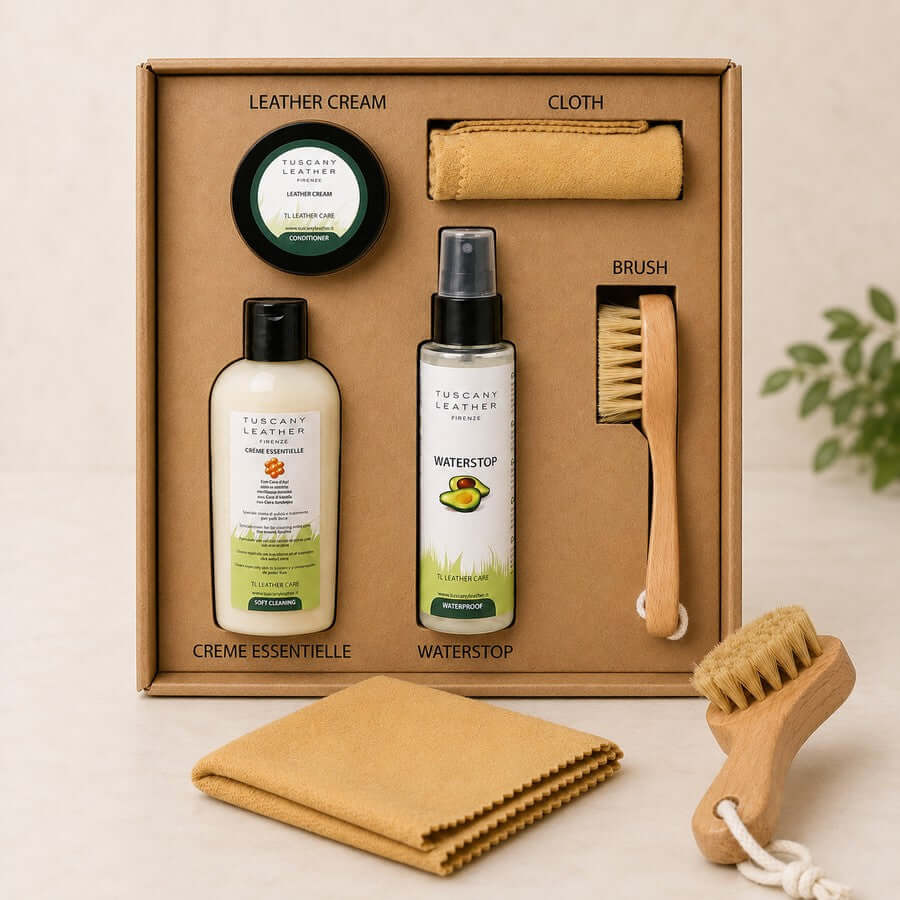
There is no universal treatment that belongs on every material. Smooth leather, pebbled leather, suede, nubuck, patent leather and coated finishes can respond differently to moisture and care products. A cream suitable for a smooth leather handbag may flatten the nap of suede or change the appearance of a special finish.
Before applying anything, check the product description, care information and label on the leather care product. If you cannot confidently identify the finish, stop and ask for advice. Guesswork is how minor maintenance turns into permanent discolouration.
Colourless products are useful because they suit many colours, but “colourless” does not mean “risk-free”. Any cleaner, conditioner or protector may temporarily darken leather or react with a finish. Coloured touch-up products require even more care because an approximate colour match can remain obvious after drying.
Always test a small amount on an inconspicuous area, such as beneath the bag or under a flap. Allow the test area to dry completely before deciding whether to continue. Looking acceptable while wet is not enough.
A practical routine has four stages: remove loose dirt, clean when necessary, condition when the leather needs it and add suitable protection. These stages should not be rushed or automatically performed every week. Over-cleaning and over-conditioning can be just as unhelpful as ignoring the bag.
Empty the bag and gently shake out loose debris. Use a clean, dry, soft cloth to wipe the exterior, paying attention to seams, corners, handles and the base. A soft brush can help around stitching and textured areas, provided it is suitable for the material and is not abrasive.
This quick step prevents particles from being rubbed across the leather during cleaning. It is also an opportunity to check for dampness, loose threads, scratches, colour transfer or hardware problems. If the bag has recently been caught in rain, deal with moisture before applying any cream.
A dedicated leather cleaner is intended to lift surface dirt more safely than household detergents. Apply only as directed and work with a clean cloth rather than pouring product directly onto the bag. Use light, even movements and avoid soaking one section. Aggressive rubbing can create a patch that looks different from the surrounding leather.
Start with the areas that receive the most contact: handles, corners, closures and the side that rests against clothing. Treat the complete relevant panel evenly instead of repeatedly scrubbing a single mark. Allow the leather to dry naturally, away from direct heat and strong sunlight.
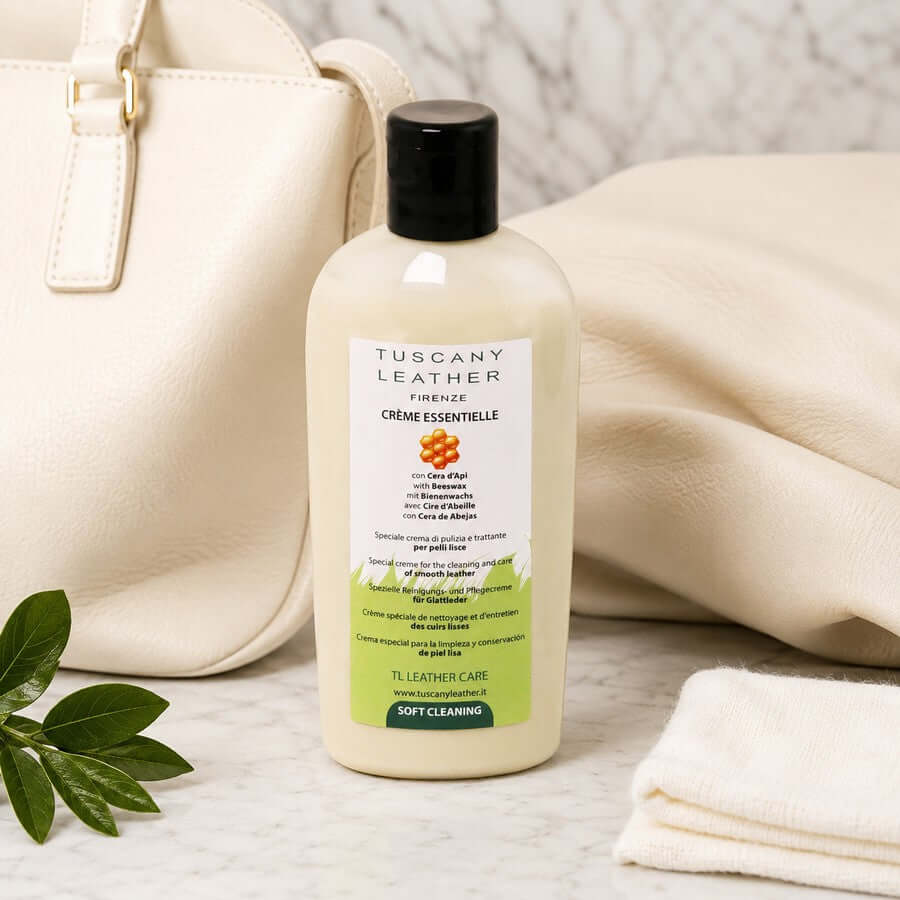
Leather conditioner helps replenish the feel of leather that has become dry. Use a small amount and build gradually; more product does not mean more protection. Apply a thin, even layer with a soft cloth, following the directions supplied with the conditioner. Give it time to absorb and dry before gently buffing where appropriate.
Conditioning frequency depends on the leather, climate, storage and use. A frequently carried work bag may need attention sooner than an occasional evening bag. Rather than conditioning by a rigid calendar, inspect the surface. If it feels noticeably dry or looks less supple, it may be time—but test first.
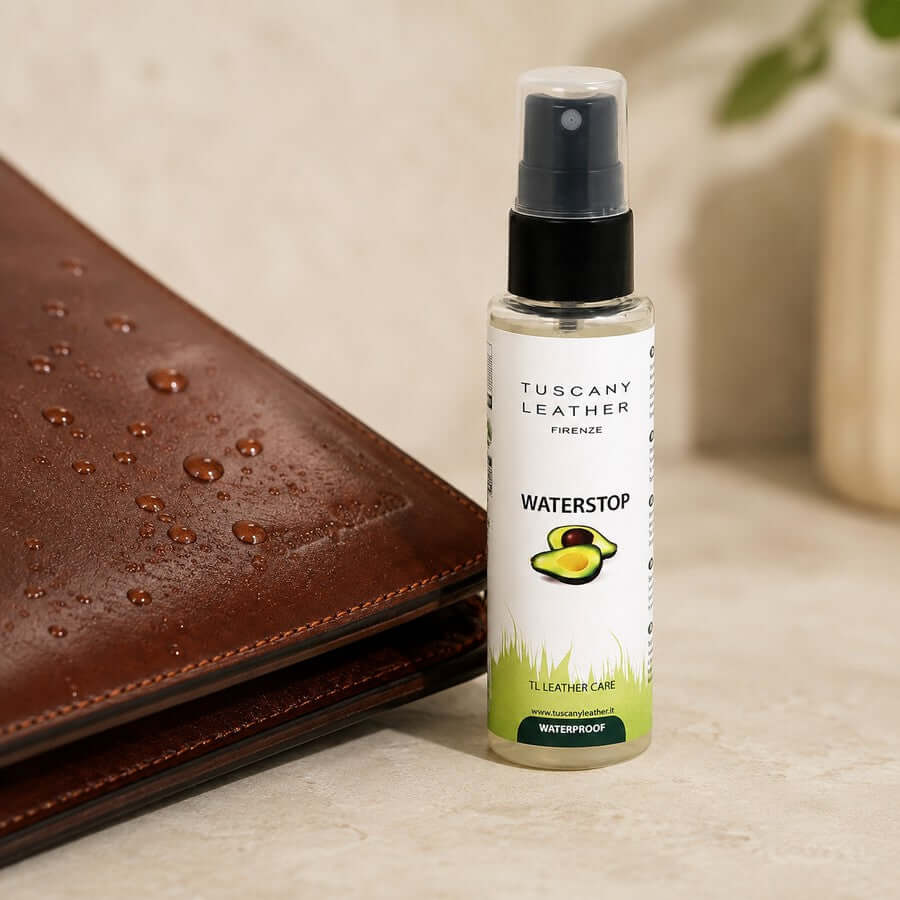
A suitable leather waterproofing spray can add an invisible protective barrier that helps reduce the impact of moisture and everyday exposure. It does not make a bag invincible or suitable for heavy rain. Think of it as extra protection, not permission to leave leather wet.
Use the spray only on materials listed as compatible on its instructions. Apply in a well-ventilated area, keep the recommended distance and aim for an even application. Do not saturate the surface. Allow the item to dry fully before carrying or storing it, and keep sprays away from flames and heat sources.
Act calmly. Blot excess moisture with a clean, absorbent cloth; do not rub. Remove the contents and gently support the bag’s natural shape with plain, colourfast tissue or a soft clean cloth. Leave it to air-dry at room temperature.
Do not use a hairdryer, heater or prolonged direct sunlight to speed up drying. Concentrated heat can dry the leather unevenly and may contribute to stiffness, shrinkage or colour change. Once the bag is completely dry, reassess its condition before applying any suitable conditioner or protector.
Minor surface marks are part of normal use, especially on smooth leather. Begin with the least aggressive response. Wipe away dust and see whether gentle buffing with a clean cloth softens the appearance. Do not attack a scratch with household polish, alcohol, wipes or an improvised dye.
A leather touch-up pen can help with small scratches, abrasions or faded marks when the colour is compatible. The pens available in the current Lizandez range are offered in selected colours, so matching matters. Test the colour in a hidden spot, use a light hand and let each application dry before deciding whether more is needed.
Deep cuts, peeling finishes, major stains, torn handles and structural damage need more than cosmetic treatment. A touch-up pen is not a repair tool for broken leather. When damage is significant—or the bag is valuable or sentimental—professional assessment is the safer choice.
Many bags are damaged while they are not being used. Crushing, damp cupboards, plastic wrapping and prolonged sunlight can affect shape, finish and colour. Before storing a bag, empty every compartment and make sure the exterior and lining are clean and fully dry.
Lightly fill the bag with acid-free tissue or clean, colourfast material so it keeps its natural shape. Do not overstuff it. Place it in a breathable dust bag and store it upright or in the position recommended for its construction. Keep it away from direct sunlight, humidity and strong heat.
Do not leave heavy items stacked on top. Detachable straps should be arranged loosely so they do not press permanent lines into the body of the bag. Take stored leather out periodically, check for moisture and allow air to circulate.
Leather care is not limited to the exterior. Pens, cosmetics, hand sanitiser and leaking bottles can cause serious interior damage. Use small pouches for liquids and makeup, cap pens securely and remove rubbish promptly. Vacuum loose crumbs carefully with a low-suction attachment, keeping the nozzle away from delicate lining.
Wipe metal hardware with a dry soft cloth after use. Avoid getting cleaner, conditioner or waterproofing spray on metal unless the product directions specifically permit it. Never force a stiff zip or closure. Check first for trapped fabric, misalignment or debris.
There is no honest one-size-fits-all schedule. A daily commuter bag exposed to public transport and changing weather needs more observation than a special-occasion handbag stored correctly between uses. Climate also matters: dry conditions can affect suppleness, while humid storage increases moisture risk.
Use a simple rhythm instead. Wipe away loose dust regularly, deal with spills promptly, inspect the bag each month and perform deeper care only when the material and product directions support it. A light, responsive routine is better than repeatedly applying products simply because a date appears on the calendar.
If you already own suitable cloths and know exactly what your bag needs, an individual cleaner, conditioner or protector may be enough. If you want the core tools organised together, a leather care kit can be more convenient. The best choice is not the product with the most components; it is the one compatible with your leather and the maintenance task in front of you.
Browse the complete Leather Care range to compare the available kit, cleaner, conditioner, waterproofing spray and touch-up options in one place.
These small habits reduce the need for aggressive cleaning later. They also help preserve the shape, stitching and hardware—not just the surface of the leather.
It is safer to avoid them. Wipes may contain alcohol, fragrance or other ingredients that can dry, strip or discolour a leather finish. Use a cleaner made for the relevant type of leather and follow its instructions.
Cleaning and conditioning are different jobs. Cleaner removes appropriate surface dirt; conditioner supports suppleness. Applying conditioner over a dirty surface can trap grime and produce an uneven result.
No. Protection wears with use and exposure. Reapplication depends on the product directions and how often the item is carried. Waterproofing also does not make leather immune to rain, spills or poor storage.
No. Blot moisture and allow the item to dry naturally at room temperature. Forced heat can dry the surface too quickly and affect its feel, colour or shape.
No. Some light marks can soften with gentle buffing, while deep damage needs professional attention. A touch-up pen is best reserved for compatible colours and suitable minor abrasions after a hidden patch test.
The best leather care routine respects the material instead of trying to overpower it. Clean gently, condition sparingly, protect appropriately and store thoughtfully. Respond quickly to moisture and stains, but know when to stop before a home remedy makes the damage worse.
Natural variation and gradual patina give genuine leather its personality. Good care does not erase that story; it helps the bag age with dignity. When you are ready to assemble a practical routine, visit the Lizandez Leather Care collection for products selected to help clean, condition, protect and maintain your leather goods.
For regular cleaning, gently remove dust and surface dirt with a clean, soft, dry or slightly damp cloth. Avoid soaking the leather or using household cleaners, alcohol-based products or harsh chemicals, as these may damage the finish or dry out the leather. For deeper cleaning, use a product specifically designed for the particular type of leather and always test it first on a small, inconspicuous area.
There is no single schedule suitable for every leather bag. How often leather needs conditioning depends on the type of leather, frequency of use, climate and how the item is stored. Rather than over-conditioning, watch for signs that the leather is becoming dry or losing its suppleness. When conditioning is required, use a suitable leather conditioner sparingly and follow the product's care instructions.
If a leather bag gets wet, gently blot excess moisture with a clean, absorbent cloth and allow it to dry naturally at room temperature. Keep it away from hair dryers, heaters and direct heat, which can cause leather to dry too quickly, become stiff or potentially crack. Maintain the bag's shape while it dries and wait until it is completely dry before considering any appropriate conditioning treatment.
Store leather bags in a cool, dry and well-ventilated place away from direct sunlight, heat and excessive humidity. Empty the bag and lightly fill it with clean, soft material to help maintain its shape. If available, use a breathable dust bag rather than an airtight plastic bag, as leather benefits from airflow during longer periods of storage.
Regular, gentle care is the best way to extend the life of leather goods. Keep leather clean and dry, avoid prolonged exposure to direct sunlight and heat, prevent overloading bags, and store items correctly when they are not being used. Use cleaning and conditioning products appropriate for the specific leather and treat spills or moisture promptly. With appropriate care, quality leather can age naturally while retaining the character that makes each piece distinctive.